When Prevention Becomes Precision: How Modern Periodontal Treatment Is Redefining Gum Health in Australia

For generations, gum health was often reduced to a simple instruction: brush twice a day, floss regularly and visit the dentist. Those habits remain fundamental, but contemporary dentistry has begun to see the gums differently. They are not merely the soft frame surrounding the teeth; they are a living biological environment whose condition can determine how securely teeth remain anchored and how successfully oral health is maintained over decades.
This shift is particularly significant in Australia, where periodontal disease remains a substantial oral-health concern. Australian Institute of Health and Welfare data indicate that around one-third of Australian adults had moderate or severe periodontitis in 2017–18. More recent national reporting also indicates that the age-standardised rate of periodontal disease increased between 2003 and 2024.
The emerging philosophy is therefore clear: prevention is no longer simply about avoiding disease. It is about identifying risk earlier, understanding how disease behaves in an individual patient and applying treatment with greater precision.
From bleeding gums to biological warning signs
Gum disease rarely announces itself dramatically at first. Gingivitis can begin with plaque accumulation around the gumline, producing inflammation, redness and bleeding. At this stage, the process can often be reversed through improved oral hygiene and professional care. But untreated inflammation may progress into periodontitis, where the tissues and bone supporting the teeth can become damaged.
As periodontal pockets develop, bacteria and inflammatory activity can become increasingly difficult to control with brushing alone. The supporting structures around teeth may gradually deteriorate, potentially causing recession, tooth mobility and eventually tooth loss. Importantly, periodontitis does not always produce obvious pain, meaning that waiting for discomfort can allow disease to advance unnoticed.
Modern dentistry therefore places increasing emphasis on detection before irreversible damage becomes extensive.
Periodontal treatment becomes personalised
Contemporary periodontal treatment is no longer necessarily viewed as a single procedure performed after gum disease has become severe. Instead, treatment can involve assessment, risk management, professional cleaning, targeted non-surgical therapy, surgical intervention when appropriate and continuing periodontal maintenance.
Australian Dental Association resources describe periodontal management in terms of diagnosis, treatment planning, non-surgical and surgical options, expected outcomes and ongoing maintenance.
That progression matters because periodontal disease is influenced by more than plaque alone. Smoking, diabetes, oral hygiene, genetics and other individual factors can influence susceptibility and disease progression. Effective treatment must therefore address not only what is visible around the teeth, but also the circumstances that allow inflammation to persist.
This is where prevention becomes precision.
Instead of treating every patient according to the same template, dental professionals can assess the condition of the gums, identify periodontal pockets, evaluate supporting bone and consider individual risk factors. Treatment can then be scaled to the needs of the patient rather than the assumptions of the procedure.
The precision of professional cleaning
One of the most important misconceptions about periodontal care is that advanced treatment must always mean surgery. In many cases, controlling periodontal disease begins with non-surgical approaches.
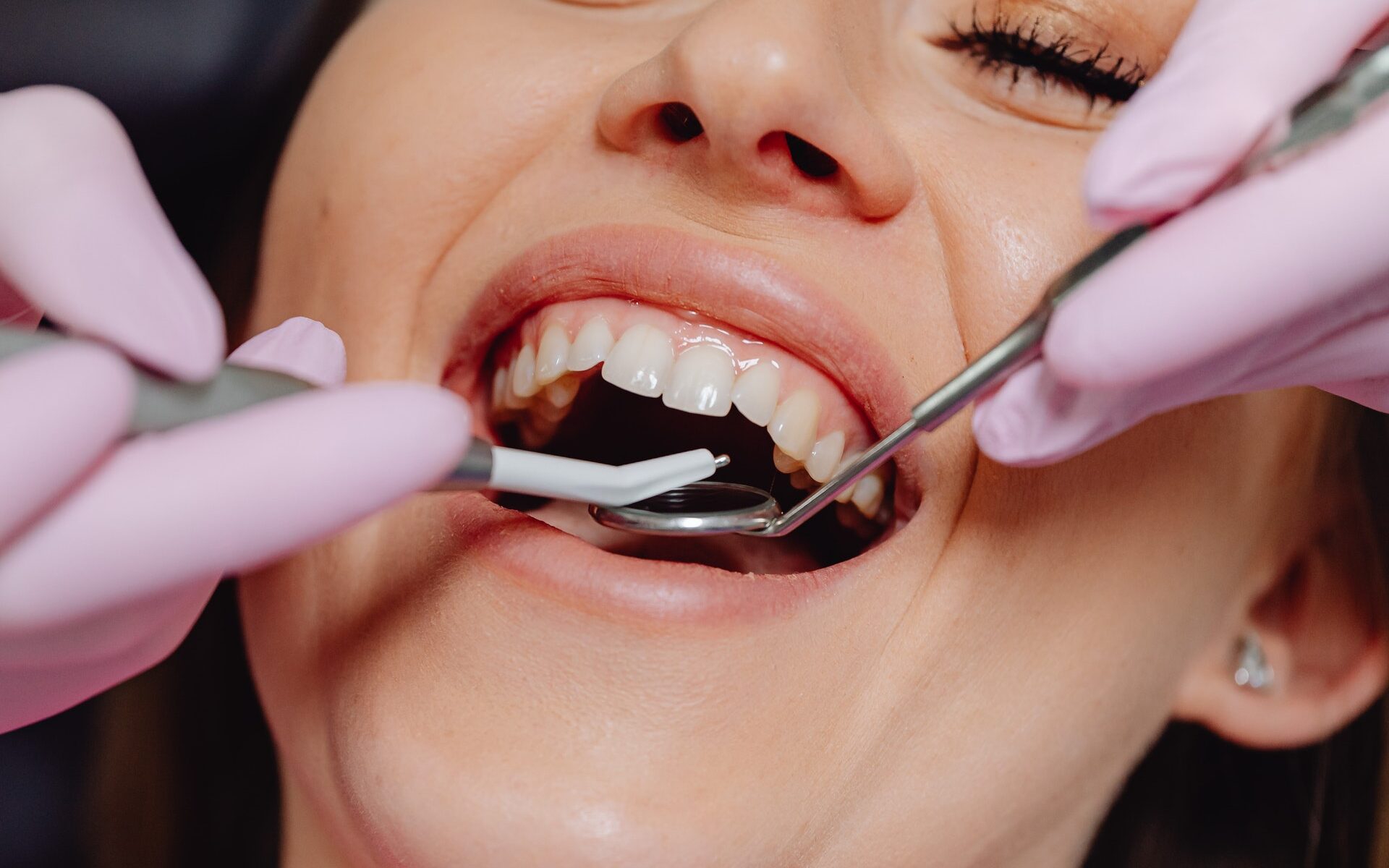
Professional periodontal cleaning can remove plaque and calculus from areas that are difficult to access through ordinary home care. Depending on the severity and location of disease, clinicians may perform deeper debridement or root-surface treatment to reduce the bacterial burden and create conditions that allow inflamed tissues to stabilise.
The objective is not simply to make teeth feel cleaner. It is to change the environment in which disease develops.
That distinction captures the philosophy of modern periodontal care: precision is not necessarily about doing more. It is about doing what is appropriate, at the right stage, for the right biological problem.
Prevention does not end in the dental chair
Perhaps the most sophisticated development in gum health is the recognition that successful periodontal care cannot be separated from daily behaviour.
The Australian Dental Association recommends brushing twice daily with fluoride toothpaste, cleaning between the teeth once daily and maintaining regular professional dental care.
These actions may appear ordinary, but their cumulative effect is anything but ordinary. A toothbrush does not merely clean a smile; it disrupts a constantly developing microbial environment. Interdental cleaning reaches surfaces that brushing may miss. Professional appointments provide opportunities to identify changes before they become major problems.
In this sense, prevention is a continuous process rather than a single appointment.
A future built around preserving what already exists
The greatest achievement of modern periodontal treatment may ultimately be what it prevents: unnecessary tissue destruction, tooth mobility and tooth loss.
This is where the phrase “when bacteria invade deeper into the gums causing damage” becomes more than a description of infection. It represents a turning point in the biology of gum disease.
Australia’s approach to gum health is increasingly moving toward a model in which diagnosis, risk assessment, targeted treatment and maintenance work together. That reflects a broader transformation in dentistry—from repairing damage after it occurs to managing biological risk before the damage becomes overwhelming.
Healthy gums are therefore not simply an aesthetic feature of a healthy smile. They are the foundation that allows natural teeth to remain functional, stable and resilient.
When prevention becomes precise, periodontal care stops being merely a response to bleeding gums. It becomes a long-term strategy for protecting the architecture of the mouth—one carefully assessed, individually managed and consistently maintained step at a time.