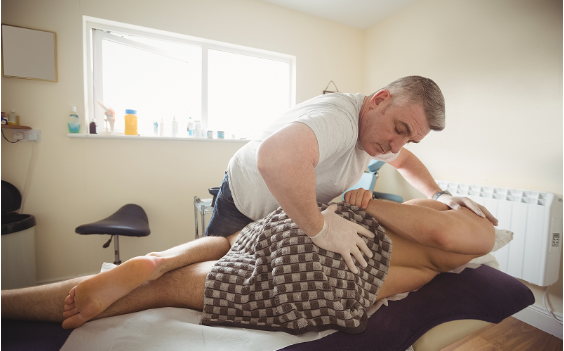
Pain deep in the buttock, sometimes travelling down the back of the thigh, is often linked to the piriformis muscle. This small muscle sits close to the sciatic nerve, so tightness or irritation in the area can lead to aching, tingling or discomfort when sitting. Since the pain can arise from several sources at once, piriformis syndrome treatment plans in physiotherapy usually begin by identifying which factors are involved. Looking at each contributor separately helps explain why two people with similar symptoms may receive quite different programmes.
Muscle Tightness and Overactivity
A piriformis muscle that stays tense for long periods can press on nearby structures and become sore itself. To ease this tension, physiotherapists may use approaches such as these:
- Gentle stretches for the piriformis and surrounding hip rotators, held for a comfortable duration.
- Soft tissue techniques, such as massage or trigger point release, to reduce local tenderness.
- Heat before exercise to help the muscle relax.
- Guidance on how often to stretch, so the muscle is not overworked.
Weak Gluteal and Hip Muscles
When the larger gluteal muscles are weak, the piriformis may take on extra work to stabilise the hip. Physiotherapy addresses this imbalance through steps like these:
- Strengthening exercises such as bridges, clamshells and side-lying leg raises.
- Progressing to standing exercises, such as step-ups and single-leg balance work.
- Checking that the right muscles are activating during each movement.
- Increasing resistance gradually as strength improves.
Prolonged Sitting and Posture
Long hours at a desk or in a car can compress the buttock area and keep the hip in one position. Physiotherapists often look at daily habits and suggest changes such as these:
- Taking short breaks to stand and walk every 30 to 45 minutes.
- Adjusting chair height so the knees sit roughly level with the hips.
- Avoiding sitting on a wallet or phone in a back pocket.
- Using a cushion to reduce pressure on the tender side.
Running and Walking Mechanics
Repetitive movement patterns can place uneven loads on the hip, particularly during running or long walks. A physiotherapist in Singapore may review how a person moves during these activities, since running and walking feature in many residents’ routines. Common areas of focus include the following:
- Observing gait to spot inward knee collapse or a hip that drops on one side.
- Reviewing stride length and cadence, since overstriding can add strain.
- Adjusting weekly running distance while symptoms settle.
- Discussing footwear and whether it suits the person’s activity level.
- Adding hill or speed work back gradually once pain eases.
Lower Back and Pelvic Involvement
Buttock pain is not always caused by the piriformis alone. Problems in the lumbar spine or sacroiliac joint can produce similar symptoms, so physiotherapists usually assess these areas through measures such as these:
- Testing lower back movement and checking whether it reproduces the buttock pain.
- Assessing the sacroiliac joint with specific clinical tests.
- Including core and lumbar mobility exercises where relevant.
- Referring the person to a doctor for imaging if the source of pain remains unclear.
Nerve Sensitivity
Irritation of the sciatic nerve can cause tingling, burning or pain that spreads down the leg. In these cases, physiotherapy tends to involve a cautious approach that includes these elements:
- Nerve gliding exercises that move the nerve gently without stretching it hard.
- Avoiding positions that clearly provoke symptoms during the early stages.
- Explaining how pain sensitivity works, which can reduce worry about flare-ups.
- Monitoring for numbness, weakness or changes in bladder or bowel control, which call for prompt medical review.
Bringing the Pieces Together
Piriformis-related pain often involves more than one contributor, and the balance between them can change as recovery progresses. Physiotherapy programmes are usually adjusted over time, with exercises added, removed or modified based on how symptoms respond. Anyone whose pain persists or worsens should speak with a doctor or physiotherapist for a full assessment.
Feeling deep buttock pain whenever you sit for long? Book an assessment with The Movement Laboratory today.